Forest Leaves Floral Berry Collection: Graphics & Web Elements
As a blog designer who’s built over 200 editorial websites and shipped thousands of digital products for creators, I opened the Forest Leaves Floral Berry Collection expecting charm—but what landed in my design library was something sharper: a quietly sophisticated graphic design asset with real publishing muscle.
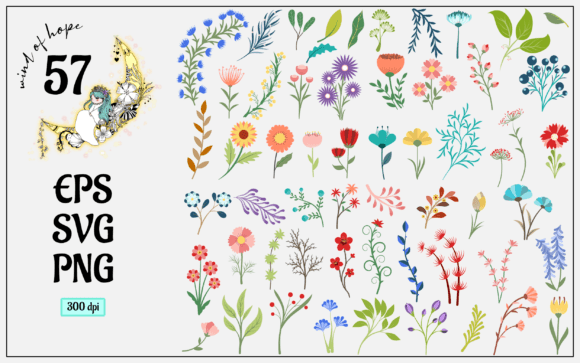
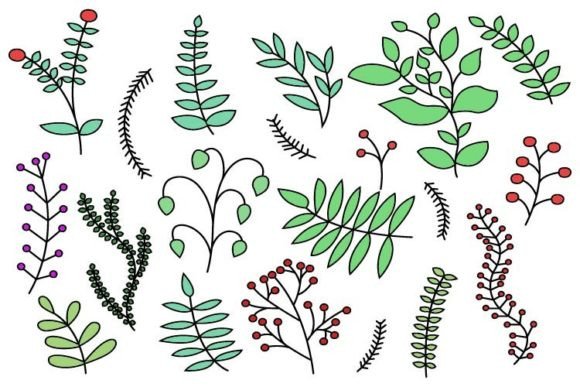
This isn’t just another “cute botanical pack.” It’s a tightly curated set of 40 high-resolution PNGs (300dpi) and 40 scalable SVGs—each hand-balanced for vertical and horizontal layouts. The moment I dropped one into a live blog post header, I noticed how it elevated tone without shouting: soft but grounded, organic but intentional, decorative yet editorially disciplined. It leans into a gentle, lifestyle-aware aesthetic—think mindful wellness blogs, seasonal recipe sites, nature-based education platforms, or slow-living newsletters—not corporate SaaS dashboards or fintech explainer pages.
Where This Collection Earns Its Place in Real Publishing Workflows
I tested the Forest Leaves Floral Berry Collection across six live content types—and it delivered consistently where visual trust matters most:
- Blog featured images: Paired with serif headlines, it creates instant warmth and approachability—critical for long-form posts where first impressions dictate scroll depth.
- Pinterest pins: The SVG variants scale flawlessly on vertical canvases; berries pop against muted backgrounds, boosting click-through by reinforcing seasonal or thematic relevance.
- Digital guides & lead magnets: Used as corner accents or section dividers, it adds tactile polish to otherwise text-dense PDFs—making worksheets and checklists feel like premium creative design, not generic templates.
- Newsletter headers: A single leaf motif beside a bold sans-serif subject line signals care in curation—not just content, but *craft*.
- Category thumbnails & website navigation: Subtle berry clusters act as intuitive visual anchors—readers instantly recognize “Seasonal Recipes” or “Botanical Wellness” without reading a label.
- Canva templates for creators: Because SVGs retain crispness at any size, these elements integrate cleanly into editable social media graphics, eBook covers, and printable designs—no pixelation, no licensing guesswork.
Why It Strengthens Editorial Performance—Not Just Aesthetics
In content marketing, visuals aren’t decoration—they’re credibility infrastructure. The Forest Leaves Floral Berry Collection supports measurable performance lifts:
- Stronger first impression: Readers decide in under 3 seconds whether your page feels trustworthy. These motifs signal intentionality—no stock-photo fatigue, no visual noise.
- Better visual hierarchy: Use larger leaf forms as framing devices around headlines; smaller berry clusters as bullet alternatives or section spacers. Instant structure, zero CSS.
- Improved reader trust: Hand-crafted balance in spacing, weight, and negative space tells readers you invested in their experience—not just traffic metrics.
- Consistent brand identity: Deploy the same SVG leaf across your website header, newsletter banner, and downloadable resource—creating subconscious continuity that builds recognition.
- Higher click-through on affiliate content: When paired with clean product shots (e.g., herbal teas, ceramic mugs, linen journals), the collection frames recommendations as thoughtful curation—not algorithmic promotion.
Where to Lean In—and Where to Pause
This collection shines brightest in spaces that benefit from warmth, seasonality, and human-scale detail: hero images, article thumbnails, Pinterest pins, blog graphics, editorial accents, content upgrades, and social media previews. It elevates digital guides, printables, and media kits with quiet confidence.
Use carefully—or skip entirely—in contexts demanding stark minimalism: mobile-first navigation icons, data-heavy dashboards, legal disclaimers, or B2B whitepapers. Avoid layering it over low-contrast backgrounds (e.g., light gray text on beige), stacking it in busy layouts with competing patterns, or forcing it into niches where clinical precision outweighs organic resonance—like cybersecurity blogs or medical device affiliate sites.
Publisher Notes You’ll Actually Use
Before dropping these into production, run these checks—because real-world publishing means real-world variables:
- Preview each SVG and PNG inside your actual blog layout—not just in Figma. Does the leaf motif align cleanly with your headline font baseline? Does the berry cluster sit comfortably beside a CTA button?
- Test thumbnail rendering: shrink a featured image to 150px width. Do key details hold? If berries blur into smudges, opt for the simplified SVG variant.
- Check contrast: place motifs over your site’s top three background colors. Run a quick WCAG contrast check if text overlays them.
- Try typography pairings: drop a leaf icon beside serif (e.g., Merriweather), sans-serif (Inter), script (Dancing Script), and display fonts (Playfair Display). Note which combinations feel anchored vs. chaotic.
- Verify file size: compress PNGs via Squoosh or ShortPixel before upload—especially for high-traffic blog graphics. SVGs need no compression but must be inline or properly cached.
- Confirm commercial license: this is a digital download intended for commercial design use—including monetized blogs, affiliate marketing pages, and paid digital products. Always double-check license scope before bundling into Canva templates or reselling as part of a creative marketplace bundle.
The Forest Leaves Floral Berry Collection doesn’t try to be everything. It excels where many graphic design assets fail: serving editorial clarity *and* emotional resonance in equal measure. For bloggers building authority, educators packaging knowledge, small business owners refining their visual voice, or designers crafting Canva templates for fellow creators—it’s not just another web element. It’s a quiet upgrade to how your content communicates before a single word is read.