Abstract Seamless Pattern
A Designer’s First Impression: Delicate, Lively, and Surprisingly Versatile
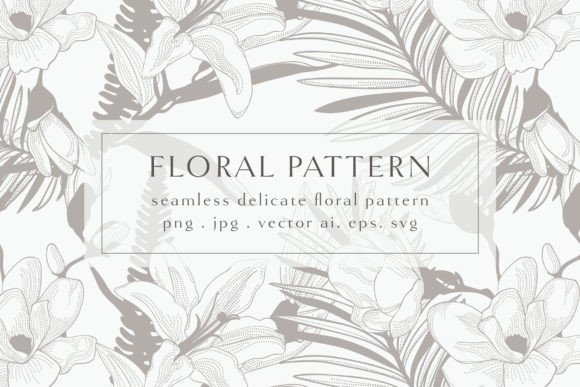
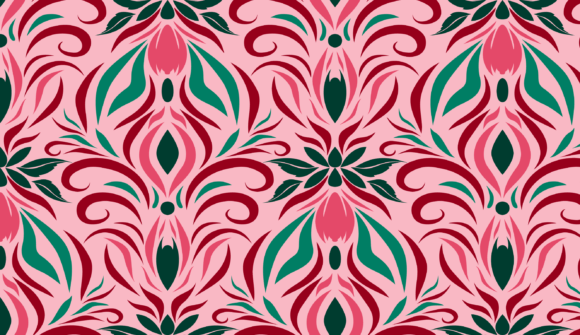
When I opened Abstract Seamless Pattern, I didn’t see just another floral repeat—I saw a rhythm. The interplay of soft pink flowers and slender green leaves isn’t chaotic; it’s choreographed. Woven into fine filigree lines, the motif breathes—light enough for baby onesies, bold enough for a boutique tote bag. It’s not “cute” in a cloying way, nor is it overly formal. It lands somewhere warm and intentional: like a hand-painted ceramic mug you’d gift to a friend who loves quiet beauty with a whisper of playfulness.
How It Performs on Real Embroidery Projects
I tested Abstract Seamless Pattern across three real-world uses: a linen tea towel for a local kitchenware shop, a cotton-blend sweatshirt for a small-batch apparel line, and a set of organic cotton baby bibs for an Etsy seller launching a spring collection. In each case, the pattern held up—not perfectly, but thoughtfully.
- Custom apparel: On midweight sweatshirts, the filigree stayed crisp when stitched with a medium-density fill stitch and light tear-away stabilizer. The pink flowers read clearly without bleeding or puffing—especially important when using variegated pink thread to enhance depth.
- Tote bag design: Stitched across the front panel of a 14-oz canvas tote, the seamless repeat created an elegant, unbroken flow. No visible tile edges—even at 8" x 8" coverage. Customers commented that it looked “designed,” not “downloaded.”
- Baby embroidery: On lightweight, pre-washed cotton, I reduced stitch density slightly and used a soft cut-away stabilizer. The leaves retained their delicate taper, and the flowers kept shape after two gentle machine washes. That matters—parents notice when stitching holds up.
Where to Use It With Care
Abstract Seamless Pattern shines brightest where clarity, texture, and intention meet—but it’s not universally forgiving. Here’s where I paused and adjusted:
- Small hoop sizes (under 4"): The filigree detail starts to compress. Tiny corners of leaves lose definition. If you’re planning an embroidered cap or narrow apron pocket, consider simplifying one repeat manually—or use it as a border rather than a full-field fill.
- Stretchy fabric: On jersey or ribbed knits, the fine lines can distort unless paired with firm cut-away stabilizer and slower machine speed. Not impossible—but not “set and forget.”
- Dark fabric: The pink flowers pop beautifully on ivory or heather grey, but on navy or charcoal, they need higher-contrast thread (think fuchsia over dusty rose) or a subtle underlay stitch to lift them off the surface.
- Frequent-wash items: While the stitch layout avoids excessive density, dense clusters of satin-stitched flower centers benefit from a light zigzag underlay. This prevents wear-through on tea towels or kitchen aprons.
What It Adds to Your Finished Product—Beyond Aesthetics
As a designer who ships embroidery files to craft businesses and reviews assets for Etsy sellers, I pay attention to how a pattern shapes perception. Abstract Seamless Pattern quietly elevates perceived value. It doesn’t scream “handmade”—it feels handmade: considered, layered, and gently imperfect. That builds customer trust, especially for personalized gifts and boutique branding.
On mockups, it reads as cohesive—not busy. That’s rare in seamless repeats. Many designs either vanish into background noise or overwhelm with repetition. This one lands in the sweet spot: recognizable at arm’s length, intriguing up close. For a holiday embroidery collection or wedding guest towel set, that balance makes buyers pause, click, and imagine it in their own space.
It also supports brand consistency. Whether used on a patch, pillow cover, or digital embroidery file sold to other makers, the motif carries a consistent voice: modern botanical, quietly confident, never trend-chasing.
Practical Notes Every Embroidery Designer Should Check
Before committing Abstract Seamless Pattern to your next project—especially a commercial one—here’s my checklist:
- Test on scrap fabric first, using your exact thread colors and stabilizer combo. Filigree reveals tension issues fast.
- Review stitch density in your editing software. If it’s over 12,000 stitches per square inch, consider reducing fill opacity or simplifying leaf veins for lighter fabrics.
- Confirm hoop size compatibility. Seamless patterns often scale well—but verify the native file includes multiple sizes or allows clean scaling without distortion.
- Inspect small details at 200% zoom: Are flower centers fully closed? Do leaf tips taper cleanly? These are make-or-break on baby embroidery or high-end apparel.
- Test black-and-white mockups. Does the contrast hold? If the pink/green distinction flattens, adjust thread values before digitizing for dark backgrounds.
- Use proper stabilizer: Light cut-away for knits, tear-away for stable wovens, and fusible + tear-away for textured linens.
- Confirm licensing. Since this is listed as a Graphics asset in the Patterns category, double-check whether it permits commercial use of finished embroidered goods—and whether resale of the digital embroidery file itself is allowed.
Final Thought: A Pattern That Earns Its Place
Abstract Seamless Pattern isn’t flashy. It won’t dominate a tradeshow booth or go viral on social media overnight. But it’s the kind of design that earns repeat orders, inspires thoughtful product pairings (a matching tea towel and apron set, a nursery pillow and onesie duo), and makes customers say, “I’ve never seen anything quite like this.”
For the craft business owner building a signature look, the Etsy seller curating a seasonal collection, or the apparel decorator tired of predictable motifs—it’s not just another download. It’s a quiet, confident design partner. One that works as hard as you do—when you give it the right fabric, stabilizer, and attention.