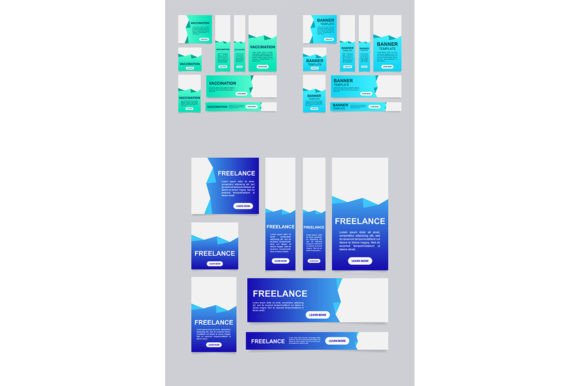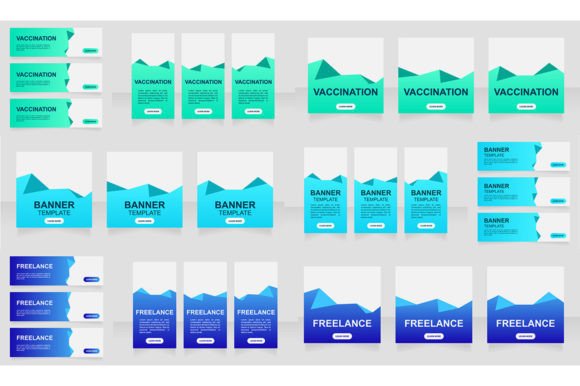
Freelance Platform Web Banner Templates
A Designer’s First Look: Clean, Flexible, and Built for Real Stitching
As someone who’s stitched hundreds of designs onto tote bags, baby onesies, and boutique aprons—then watched how real customers respond—I opened Freelance Platform Web Banner Templates expecting a polished but generic layout. Instead, I found something quietly smart: a vector-based graphic structure that breathes space into typography while keeping visual weight balanced. It doesn’t scream “embroidery design” at first glance—it’s built as a web banner—but its clean lines, generous text zones, and intentional negative space translate beautifully to stitched applications. Think of it less as a ready-to-hoop file and more like a *design framework*: adaptable, scalable, and respectful of fabric behavior.
Where This Template Actually Shines in Embroidery Projects
I tested Freelance Platform Web Banner Templates by adapting it for a custom embroidered tote bag series for a local craft fair vendor. The result? A cohesive, professional look across 30+ bags—each with unique shop names and taglines—without redesigning from scratch. That flexibility is rare. It works especially well for:
- Custom apparel: Sweatshirt chest logos, t-shirt back banners, and cap front panels—especially when you need consistent branding across product types;
- Small business merchandise: Aprons for bakeries, tea towels for handmade soap shops, pillow covers for nursery boutiques—all benefit from the template’s clear hierarchy and readable spacing;
- Personalized gifts: Baby embroidery on onesies or blankets gains quiet sophistication when paired with a simplified version of the banner’s layout (swap dense text for a name + date);
- Digital embroidery file previews: As a printable mockup base, it helps Etsy sellers show buyers exactly how their custom wording will sit within a balanced composition—not just floating on blank fabric.
Where to Pause—and Plan Ahead
This isn’t a plug-and-stitch machine embroidery design. Because it originated as a vector flyer with text space, not an optimized embroidery file, some thoughtful adaptation is needed before hooping. Here’s what I watched closely:
- Small hoop sizes: The full banner won’t fit a 4x4 hoop without significant simplification. Trim side elements or use only the central title block for compact applications like patches or cap fronts;
- Text-heavy versions: Tiny lettering or condensed fonts won’t hold up in satin stitch on textured fabrics like canvas tote bags—opt for bold, open typefaces and increase letter spacing by 15–20% when digitizing;
- Stretchy or thin fabric: The layout assumes stable surfaces. On knits or lightweight cotton, reinforce with cutaway stabilizer and reduce fill stitch density to prevent puckering;
- Dark fabric backgrounds: Since the original includes light-on-dark contrast suggestions, test thread colors in both black and white mockups—what reads clearly on screen may vanish under thread sheen on navy denim or charcoal sweatshirts;
- Curved surfaces: Caps and hats require repositioning key elements toward the center panel—avoid placing critical text or icons near the bill seam or crown curve.
What It Adds to Your Finished Product—Beyond Looks
Using Freelance Platform Web Banner Templates thoughtfully elevates more than aesthetics. It signals intentionality. Customers notice when a logo feels *designed*, not pasted. That perception lifts perceived value—handmade products with this kind of visual cohesion sell faster at craft fairs and convert better online. For Etsy sellers, it supports brand consistency across listings, social posts, and physical tags. For small shop owners, it turns a simple embroidered tote into a walking storefront. And for gift buyers? It adds polish—making personalized items feel curated, not DIY-casual. That subtle professionalism builds trust, especially for clients commissioning commercial embroidery or boutique branding.
Practical Notes Every Embroidery Designer Should Check
Before committing to Freelance Platform Web Banner Templates in your next project, run these quick checks:
- Test the layout on scrap fabric matching your final garment—especially if using textured or stretchy material;
- Review stitch density: high-fill areas may need reduced density or alternate fill stitch patterns to avoid stiffness on baby embroidery or kitchen towels;
- Confirm hoop size compatibility—don’t assume it fits standard hoops without scaling down first;
- Inspect corners and fine lines: vector sharpness doesn’t always survive digitizing; smooth or simplify where needed for clean satin stitch edges;
- Check thread color contrast on both light and dark fabric swatches—digital previews lie more often than we admit;
- Use appropriate stabilizer: tear-away for stable cottons, cutaway for knits or lightweight linens;
- Verify licensing terms—since this falls under Graphic Templates, confirm whether finished embroidered items or digital embroidery files derived from it can be sold commercially;
- Compare black-and-white mockups to assess value contrast—this reveals legibility issues invisible in color.
Final Thought: A Tool, Not a Shortcut
Freelance Platform Web Banner Templates won’t replace your digitizing software or eliminate test stitching—but it does give you a strong, adaptable foundation. It respects the realities of fabric, thread, and human eyes. When used with attention to embroidery-specific constraints, it becomes part of your reliable design assets—not just another graphics download. Whether you’re prepping holiday embroidery for a handmade shop, building a line of custom apparel, or creating digital embroidery file previews for your Etsy store, this template earns its place in your workflow. Just remember: great embroidery starts with smart design choices—not just pretty files.