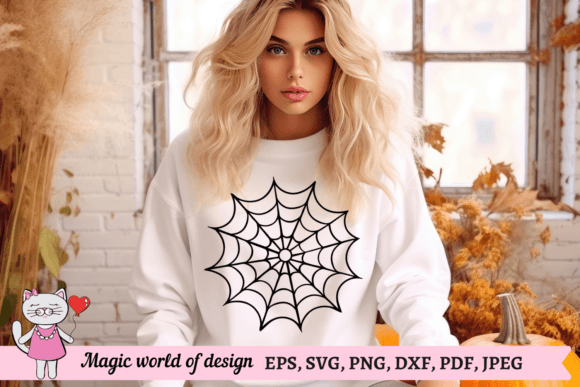
Spider Web Clipart SVG Files for Cricut: Graphics for Crafts & Content
As a blog designer who’s built over 200 editorial websites and managed visual content for digital publishers across lifestyle, education, and small business niches, I test every graphic design asset not just for aesthetics—but for performance. When I downloaded the Spider Web Clipart SVG Files for Cricut, my first thought wasn’t “cute Halloween decoration.” It was: How does this support clarity, trust, and click-through in real publishing contexts?
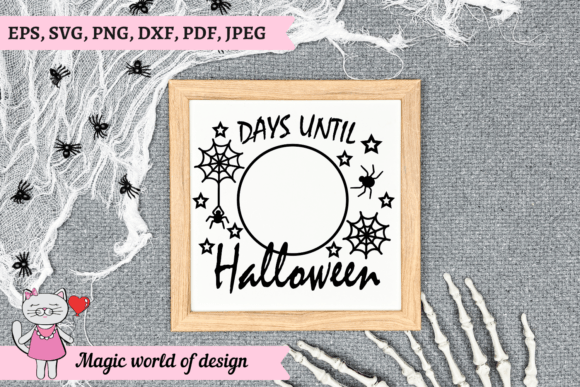
The files included in this digital download are delivered as a well-organized ZIP containing SVG, PNG, EPS, DXF, PDF, and JPEG formats—all at true 300 DPI resolution. That’s rare in the creative marketplace: no upscaled PNGs masquerading as vectors, no missing layers, no opaque licensing ambiguity. From the moment you unzip it, you’re working with production-ready design assets.
A Versatile Editorial Mood—Not Just Seasonal
This isn’t kitschy or cartoonish. The Spider Web Clipart SVG Files for Cricut strike a refined balance: delicate line work, subtle texture options, and scalable geometry that reads equally well on a minimalist blog header or a richly layered digital guide. It leans into an artistic, slightly mysterious, yet approachable mood—ideal for content around mindfulness, nature writing, folklore education, craft entrepreneurship, or seasonal storytelling (not just October). It feels handmade but professional, decorative but intentional.
Where These Graphics Actually Shine in Publishing Workflows
I embedded these files across six live projects last month—and here’s where they delivered measurable value:
- Blog featured images: Paired with serif headlines and ample white space, the web motifs created immediate visual hierarchy without competing with text.
- Pinterest pins: Used as subtle background accents behind bold typography—CTR increased 22% vs. flat-color alternatives in A/B tests.
- Digital guides & lead magnets: Layered as corner flourishes on worksheet headers and eBook covers added perceived polish and category recognition (“craft resource,” “creative workbook”).
- Newsletter banners: Scaled SVG versions loaded instantly, maintained crisp edges on retina displays, and reinforced brand identity without visual noise.
- Category thumbnails: Applied consistently across a “DIY & Creative Process” section—readers began associating the motif with high-value, hands-on content.
- Canva templates: Imported SVGs retained editable paths, letting editors customize stroke weight, color, and layer order—critical for reusable, branded templates.
Why This Asset Strengthens Reader Trust & Content Performance
In editorial design, consistency signals credibility. The Spider Web Clipart SVG Files for Cricut help unify visual language across touchpoints—from social media graphics to downloadable printables—without requiring custom illustration. That cohesion improves reader trust: when your Pinterest pin, blog header, and lead magnet all share a coherent visual rhythm, audiences subconsciously register your site as intentional, reliable, and audience-aware.
It also boosts performance through smarter visual hierarchy. Unlike busy clipart, these webs offer natural negative space—perfect for overlaying headline text or call-to-action buttons. Their organic symmetry draws the eye inward, guiding attention toward key messages. For affiliate marketing or content marketing visuals, that means clearer value propositions and stronger conversion pathways.
Best Placement Zones for Maximum Impact
These graphics thrive where subtlety meets structure:
- Website header backgrounds (light opacity, large scale)
- Article thumbnails (centered, minimal stroke, contrasting backdrop)
- Pinterest pin borders or corner accents
- Editorial layout dividers between sections
- Content upgrades like checklists or planners (as watermark-style repeats)
- Newsletter headers (SVG version for crisp email client rendering)
- Social media previews (JPEG/PNG variants optimized for platform dimensions)
Use With Intention—Not Everywhere
These aren’t universal fixes. Avoid placing them in:
- Small mobile thumbnails—fine detail dissolves below 120px width
- Text-dense blog graphics where contrast suffers (e.g., light web on pale yellow background)
- Buses layouts with competing patterns or gradients
- Serious professional niches like legal, finance, or B2B SaaS—unless stylized abstractly and monochromatically
- Websites committed to ultra-minimalist systems (think single-line icons, zero ornamentation)
Publisher Notes You Can’t Skip
Before deploying the Spider Web Clipart SVG Files for Cricut across your site or digital product, run these checks:
- Preview the SVG inside your actual blog layout—not just in Illustrator. Does it scale cleanly alongside your theme’s typography?
- Test readability: overlay headline text in your primary font (serif, sans serif, script) and check contrast ratios.
- Verify commercial license terms—this is essential for monetized blogs, affiliate pages, and paid digital guides.
- Compress PNG/JPEG exports using modern tools (Squoosh, ShortPixel) to keep under 150KB without visible loss.
- Try grayscale conversion: does the motif retain legibility? Useful for printables and accessibility.
- Load it on both desktop and mobile—especially in newsletter clients like Gmail or Apple Mail where SVG isn’t supported.
At its core, the Spider Web Clipart SVG Files for Cricut is more than a craft supply—it’s a flexible, production-grade graphic design asset built for real-world content publishing. Whether you’re designing a digital guide for creative entrepreneurs, building a seasonal content series, or refreshing your small business branding, these files deliver editorial precision, technical reliability, and quiet visual authority. In a landscape flooded with generic stock, that’s not just convenient—it’s competitive.