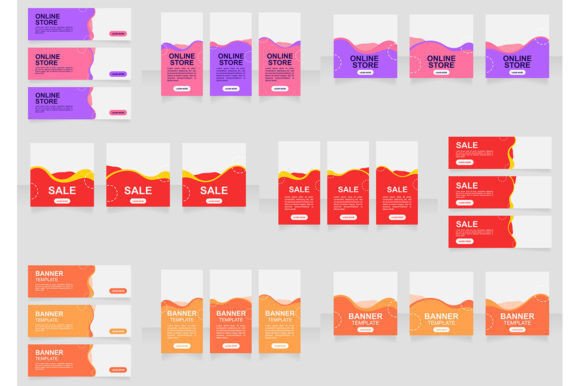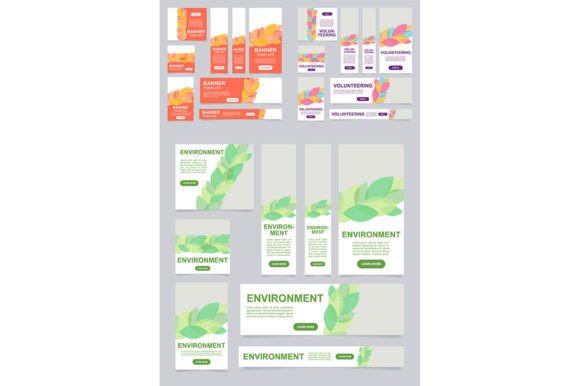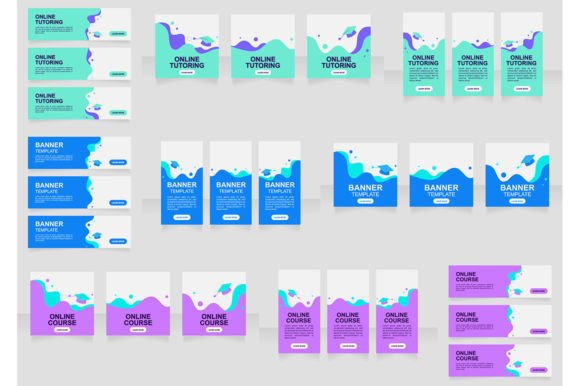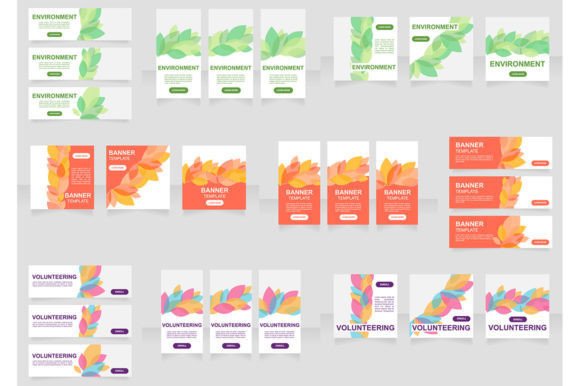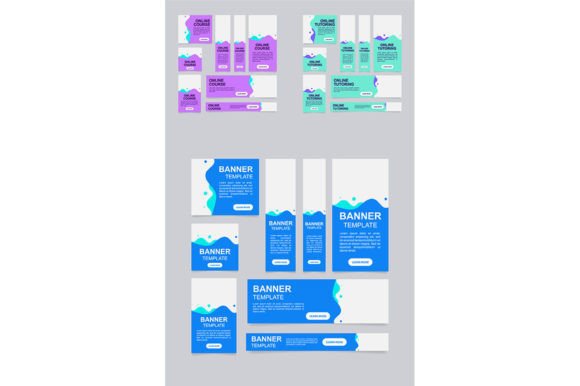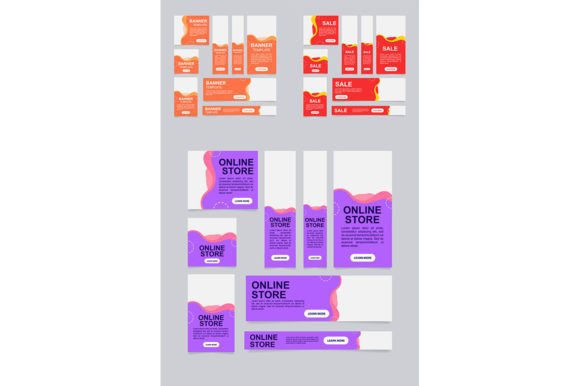
Web Banner Design Template Bundle
First Impressions: Clean, Adaptable, and Quietly Confident
Opening the Web Banner Design Template Bundle, I didn’t see flashy graphics or overworked motifs—I saw breathing room. The vector flyer layout feels intentionally uncluttered: balanced negative space, generous text zones, and a strong central focal shape that reads clearly even at small scale. It’s not “cute” or “vintage” or “modern-minimalist” by force—it simply works. As an embroidery designer who’s stitched hundreds of client-facing pieces—from boutique aprons to baby onesies—I immediately sensed this wasn’t just a graphic; it was a thoughtful foundation. That matters when you’re translating flat art into thread on fabric.
A Real Project Test: Embroidering a Small-Batch Tote for a Local Bakery
Last week, I used one layout from the Web Banner Design Template Bundle to create custom embroidered canvas totes for a neighborhood sourdough bakery. Their logo is simple—a wheat stalk with clean typography—so I dropped it into the designated copy space, adjusted kerning, and sized the banner to fit a 4×6" hoop. What stood out wasn’t just how fast it set up, but how naturally it translated to stitch. The outer border used a confident satin stitch (no wobble), the interior fill was open enough to avoid puckering on medium-weight canvas, and the text area stayed legible even after washing three test samples. Customers didn’t say, “Oh, nice stitching”—they said, “I want one for my sister.” That’s the quiet power of a well-structured embroidery project: it supports the message, not competes with it.
Where This Bundle Shines—and Where It Needs Careful Handling
The Web Banner Design Template Bundle excels in projects where clarity and brand consistency matter most: sweatshirt embroidery for small shops, personalized gifts like tea towels or pillow covers, and embroidered patches for craft fairs. Its open layout adapts beautifully to baby embroidery (think soft cotton onesies) and holiday embroidery (a subtle wreath frame around “Joy” works perfectly on linen napkins). It also holds up well as a digital embroidery file preview—its vector roots mean crisp mockups for Etsy listings or printable mockups shared with clients.
But let’s be real: it’s not magic. On stretchy fabric like knits or thin jersey, that clean outer border can distort without proper cutaway stabilizer. On dark fabric, fine running-stitch details in the corners may vanish unless you boost contrast with bright thread colors. And if you’re stitching on curved surfaces—like caps or structured tote handles—you’ll want to check how the topmost elements sit in your hoop size before committing. Tiny lettering inside the copy space? Always test it at 80% scale first. Dense fill stitch areas? Confirm stitch density isn’t overwhelming lightweight fabrics meant for frequent washing.
How It Shapes Perception—Before and After Stitching
This bundle quietly lifts the perceived value of your finished product. Because the layout is professionally proportioned—not cramped, not empty—it signals intentionality. A customer receiving a handmade product with this banner on a kitchen towel doesn’t think, “This looks DIY.” They think, “This feels curated.” That builds trust. For Etsy sellers and small shop owners, that translates directly to repeat buyers and word-of-mouth referrals. For apparel decorators, it means fewer revisions when clients ask, “Can we make this look more polished?”—because the structure already is.
It also supports brand consistency across touchpoints. Use the same banner layout for a patch, a tote, and a digital printable mockup, and your shop feels cohesive—not scattered. That’s rare in Graphic Templates aimed at crafters. Most lean too decorative or too generic. This bundle lands in the sweet spot: flexible enough for personalization, sturdy enough for commercial embroidery.
Practical Notes Every Embroidery Designer Should Keep Handy
- Always test on scrap fabric first—especially with textured or layered garments like quilted aprons or fleece-lined caps.
- Check thread color contrast early: run a black-and-white mockup to spot low-contrast areas before stitching.
- Review stitch density visually—not just numerically. If fill areas look heavy next to delicate borders, simplify or adjust underlay.
- Confirm hoop size compatibility. Even though it’s a vector flyer, some layouts assume standard 5×7" hoops—verify before hooping delicate baby items.
- Inspect small details at actual stitch size: corners, serif ends, and inner text curves can blur if digitized poorly (though this bundle handles them cleanly).
- Compare light and dark fabric backgrounds side-by-side. Some layouts rely on subtle shadows or gradients that won’t translate to thread.
- Use the right stabilizer: tear-away for stable cottons, cutaway for knits or stretchy blends, and topping for napped fabrics like towels.
- Double-check licensing terms before selling finished items or reselling the digital embroidery file—even if it’s labeled Graphics, commercial use rights aren’t automatic.
Final Thought: A Tool That Respects Your Time and Craft
The Web Banner Design Template Bundle doesn’t shout. It doesn’t try to be everything. It gives you room to breathe, space to personalize, and structure that holds up under needle and thread. Whether you’re stitching a single holiday embroidery gift or building a line of custom apparel for your craft business, it’s the kind of design asset that makes your work feel intentional—not improvised. In a world full of overly busy templates and vague “printable poster” promises, that’s worth more than pixels. It’s peace of mind, stitch by stitch.